Expand Your Business Reach
Trade shows and exhibitions are powerful tools for small businesses looking to expand their reach, connect with potential customers and showcase their products or services. In this article, we’ll explore the strategies and tactics that small business owners can use to make the most out of trade shows and exhibitions. Whether you’re a seasoned exhibitor or a first timer, this guide will provide you with valuable insights on how to grow your business through these events.
Why Trade Shows and Exhibitions Matter!
Understanding the fundamental significance of trade shows and exhibitions is crucial before delving into specific strategies for success. These events offer a multitude of benefits that can significantly impact the growth of a small business.
- Visibility: Trade shows and exhibitions provide a stage for small businesses to gain visibility, attract a broader audience and stand out in a competitive market.
- Networking Opportunities: These events serve as excellent opportunities to network with industry professionals, potential partners and prospective customers, fostering relationships that can lead to future collaborations or sales.
- Showcasing Products or Services: Offering a physical space to showcase products or services, these events allow potential customers to interact directly with the offerings, facilitating better understanding and often leading to immediate sales.
- Market Research: Trade shows are invaluable for obtaining insights into market trends, customer preferences and competitor analysis, providing a comprehensive understanding of the market landscape.
- Lead Generation: By engaging with attendees, businesses can generate quality leads and build a strong customer database for future interactions and conversions.
Preparation is Key
- Setting Clear Objectives: Defining specific and measurable goals for the trade show or exhibition is crucial. Whether aiming to increase sales, generate leads or build brand awareness. Having well defined objectives will guide all subsequent strategies.
- Choosing the Right Event: It’s essential to select trade shows or exhibitions that are relevant to your industry and target audience. Be it a large national trade show or a local one, you need thorough research on the event’s reputation, target demographics and attendance rates will ensure alignment with your business goals.
- Budget Allocation: Creating a comprehensive budget that covers all expenses, including booth rental, promotional materials, travel and accommodations, is essential. Adhering to this budget will prevent overspending and allow for effective cost management.
Booth Design and Presentation
- Eye Catching Booth Design: A visually appealing and brand aligned booth design is crucial. Investing in professional booth design and engaging graphics is key to attracting and retaining attendees’ attention.
- Engaging Displays: Incorporate interactive displays, product demonstrations and enticing promotional materials to engage visitors effectively. Consider offering freebies or samples to entice visitors to your booth.
- Staff Training: Well trained booth staff who are knowledgeable, approachable and capable of addressing queries effectively are essential. They serve as the face of your brand during the event, making their training a critical aspect of success.
Promotion and Marketing
- Pre Event Promotion: Building anticipation for your participation through email marketing, social media campaigns and website announcements is vital. Offering incentives like early bird discounts can encourage attendance and generate interest in your booth.
- On Site Promotion: Leveraging social media for live updates and real-time sharing of event activities is essential. Encouraging attendees to visit your booth through contests, giveaways or interactive experiences can further amplify engagement.
- Post Event Follow Up: After the event concludes, following up with the leads and contacts made during the event is crucial. Sending thank you emails, sharing event highlights and nurturing potential customers through post-event communication ensures continued engagement.
Networking and Building Relationships
- Engagement with Attendees: Focusing on meaningful interactions beyond just sales is essential. Take the time to connect with attendees, understand their needs and establish relationships that can lead to future business opportunities.
- Collaboration with Other Exhibitors: Exploring collaborative opportunities with other exhibitors, whether through joint promotions or shared activities, can significantly expand reach and create mutually beneficial partnerships.
- Participation in Industry Specific Events: Engaging in industry specific events and seminars within the trade show or exhibition is an excellent way to connect with like minded professionals, enhancing industry relationships.
Measurement and Analysis of Performance
- Tracking Key Metrics: Utilising tools like lead capture software is crucial to measure success in generating leads and conversions. Monitoring website traffic, social media engagement and post-event sales can provide insights into the event’s overall impact on business growth.
- Gathering Feedback: Collecting feedback from both booth visitors and the team involved is vital. Understanding what worked well and areas for improvement helps in refining strategies for future events, ensuring continuous improvement.

Maximising ROI with Trade Shows and Exhibitions
Now, let’s dive even deeper into how small business owners can maximise their return on investment (ROI) with trade shows and exhibitions.
Selecting the Right Trade Show or Exhibition
Choosing the right event is a pivotal decision and it sets the foundation for your success. Here are some additional factors to consider:
- Attendee Demographics: Besides event reputation and industry relevance, examine the demographics of attendees. Ensure they align with your target customer base.
- Timing: The timing of the event can significantly impact your success. Research whether the event coincides with peak buying seasons or significant industry developments.
- Location: The location of the trade show or exhibition is crucial. Consider the accessibility and convenience for attendees and your team.
- Competition: Evaluate the level of competition at the event. While some competition is healthy, an oversaturated market can make it challenging to stand out.
Crafting an Effective Booth Strategy
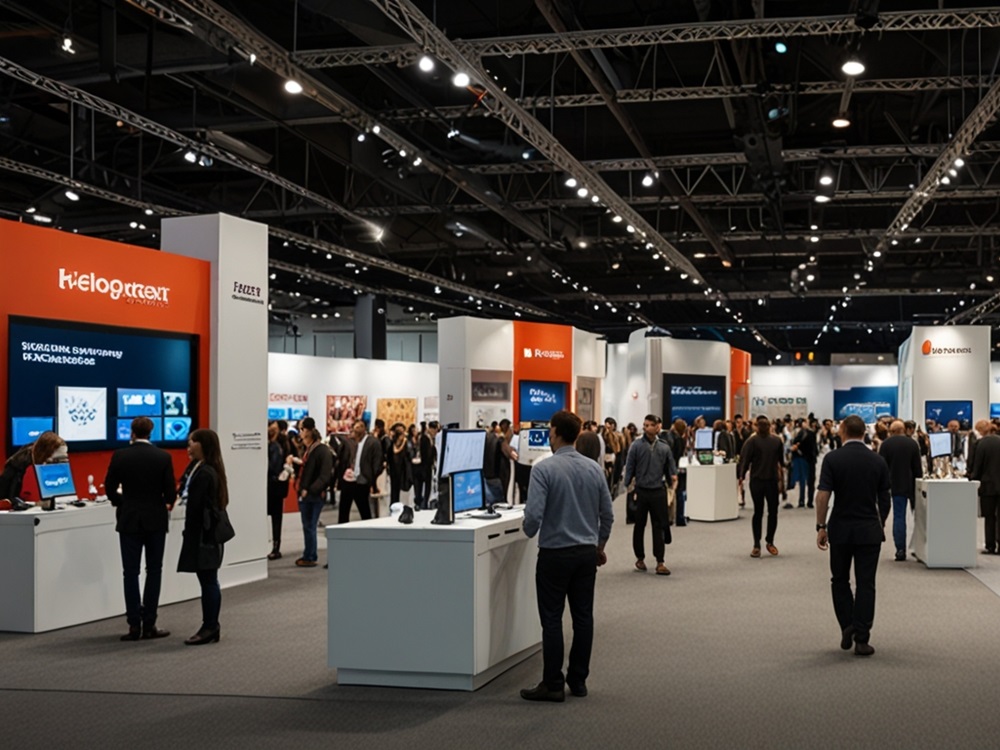
Your booth is your stage at a trade show or exhibition and crafting an effective booth strategy is essential to make a lasting impression.
- Interactive Demonstrations: Consider incorporating live product demonstrations or interactive experiences that allow attendees to experience your offerings firsthand.
- Engage the Senses: Appeal to multiple senses. Use music, visuals and even scents that resonate with your brand to create a memorable atmosphere.
- Provide Value: Offer something of value to booth visitors. This could be informative content, exclusive discounts or unique experiences.
- Branding Consistency: Ensure that your booth’s design and messaging are consistent with your overall brand identity. Consistency helps in creating a strong and memorable brand image.
Staff Training and Management
Staff management is a crucial aspect of trade show success. Additional considerations include:
- Diverse Skill Sets: Assemble a team with diverse skills that cover everything from sales and product knowledge to customer service.
- Scheduling: Create a well thought-out schedule to ensure that your booth is adequately staffed at all times. Rested and enthusiastic staff are essential.
- Training for Handling Challenges: Prepare your team to handle challenging situations and difficult customer interactions effectively.
- Dress Code: Establish a professional and consistent dress code for your staff to represent your brand consistently.
Innovative Promotional Techniques
- Virtual Reality (VR) and Augmented Reality (AR): Incorporating VR or AR experiences in your booth can captivate attendees and create memorable interactions with your brand.
- Gaming and Contests: Engage attendees with fun and interactive games or contests. Offer enticing prizes to incentivize participation.
- Influencer Partnerships: Collaborate with industry influencers or local personalities to draw more attention to your booth. Their endorsement can greatly boost your credibility.
- Sustainability Focus: In an era of increased environmental awareness, showcasing sustainable practices in your booth can resonate with eco conscious consumers.
Leveraging Technology
The role of technology in trade shows and exhibitions is expanding rapidly. Integrating these elements can set you apart:
- Lead Capture Apps: Invest in lead capture apps to efficiently collect attendee information and follow up post-event.
- Interactive Touchscreens: Incorporate interactive touchscreens to showcase your product catalogues and allow attendees to explore your offerings digitally.
- Social Media Integration: Utilise social media not only for pre-event promotion but also for real-time event updates and post-event engagement.
- Data Analytics: Leverage data analytics tools to gain insights into attendee behavior and optimise your strategies.
Post Event Analysis and Follow Up
After the event, the work doesn’t end. Post-event analysis and follow-up are crucial for continued success.
- Data Review: Analyse all data collected during the event, including leads, sales and attendee interactions.
- Thank You Emails: Send personalised thank you emails to booth visitors, expressing your appreciation for their time and interest.
- Lead Nurturing: Develop a lead nurturing strategy to engage with leads over time. This could involve targeted email campaigns, phone calls or other follow-up methods.
- Feedback Surveys: Create feedback surveys to gather input from booth visitors and event attendees. Use this data for continual improvement.